Home Mold Remediation in Jacksonville
Request a remediation estimate
Remediation is the full job of getting mold out of a room and making sure the conditions that fed it are gone. A provider seals off the area, cuts out drywall, carpet pad or trim that cannot be cleaned, vacuums and wipes the framing, then dries everything before repairs. It is more involved than wiping a stain, and that is the point. Mold you can see is usually a sign of more on the back side of the wall.
Thailandsite Mold Help is a referral service that connects homeowners in the Jacksonville area with independent local providers who do residential mold removal and remediation. You tell us what you found, and a provider follows up to look at the house and give you a written quote. This page walks you through the first steps, what the work covers and how to pick a provider you are comfortable with.
First Hour With a Mold Problem
Stay calm and work through a short list. Start by finding the wet spot. Look above and around the growth for a dripping pipe, a sweating AC line, a leaking window frame or a roof stain. If you can shut off the water at a fixture valve, do it.
Next, grab your phone and take photos. Get wide shots of the room and close shots of the patch with a tape measure in the frame. Note the date you first saw it. Then close the door, turn off any fan that blows across the area and leave the growth alone. Dry scrubbing pushes spores into other rooms.
Why Waiting Makes It Bigger
Mold needs moisture, food and time. Drywall paper, wood and dust give it plenty of food. In a humid climate, the moisture rarely goes away on its own. A patch the size of a hand can spread across the back of a wall cavity in a few weeks, and the repair grows with it. Getting a provider in early usually means less material to cut out and a smaller bill.
What the Remediation Job Covers
Every house is different, but most remediation jobs follow the same outline:
- An inspection with a moisture meter to map how far the damp area goes
- Containment with plastic sheeting and negative air pressure
- Removal of porous materials that cannot be cleaned, bagged inside the work zone
- HEPA vacuuming and wiping of framing and nearby surfaces
- Drying with fans and dehumidifiers until readings are normal
- A final look before drywall and paint go back up
Ask the provider which of these apply to your house and why.
Sealing Off the Work Area
Containment keeps the mess in one place. The provider hangs plastic over doorways and vents and often uses an air scrubber that pulls air out of the room through a filter. That way, when moldy drywall comes down, the dust stays in the work zone and does not drift into bedrooms or the return vent on your air handler.
Stopping the Water
Remediation without a moisture fix is a short-term patch. If the AC drain pan keeps overflowing or the window flashing keeps leaking, mold will come back. A good provider points out the source and tells you whether they fix it or whether you need a plumber, roofer or AC tech. Get that in writing so nothing falls through the cracks.
Block Walls, Slabs and Humid Attics
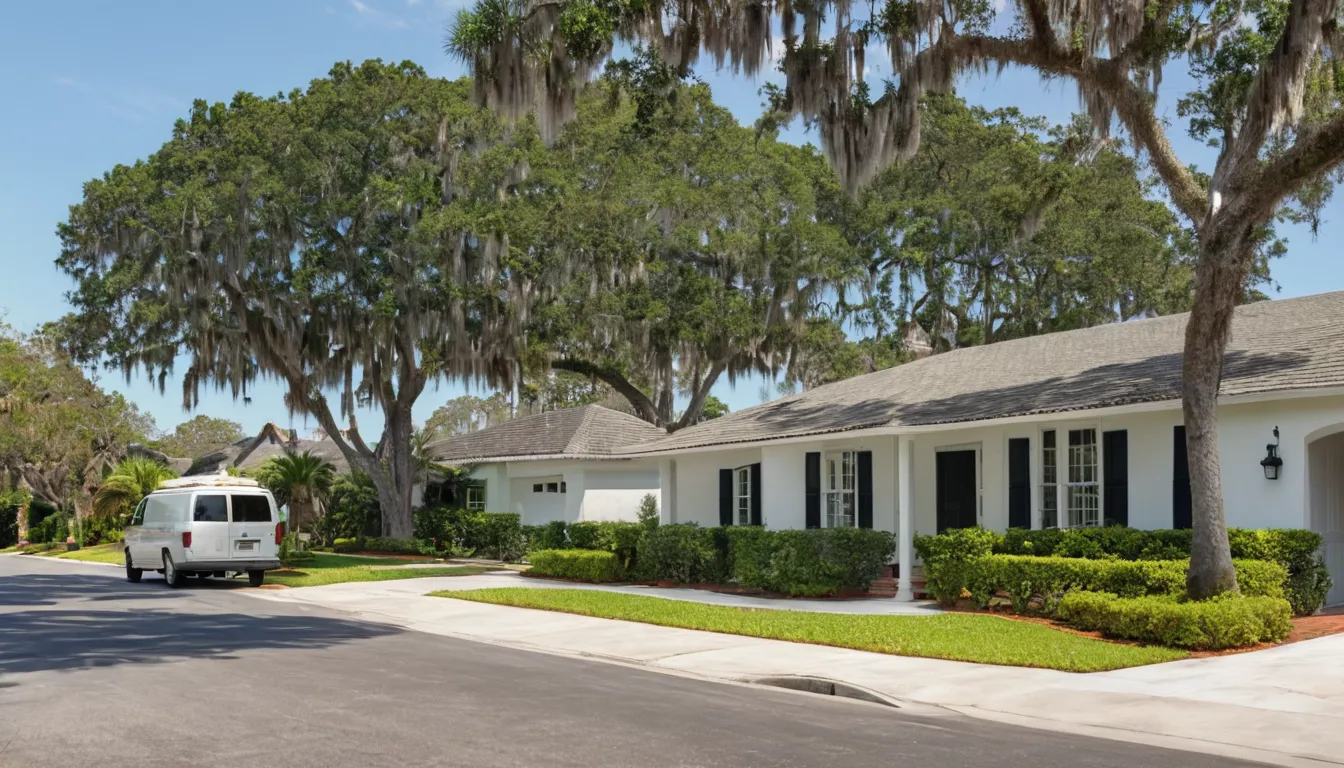
Many homes around Jacksonville are concrete block on a slab. Block walls can wick moisture after heavy rain, and the furring strips and drywall on the inside take the hit. Slab edges can stay damp under carpet. Attics get hot and sticky, and a slow roof leak can feed growth on the decking for a long time. Mention any of these to the provider so they know where to look.
Insurance and Paperwork
Some policies may cover mold that follows sudden water damage, like a burst supply line. Long-term leaks and humidity are often excluded. Check your policy and call your agent before work begins. Many providers can help document damage with photos, moisture readings and notes that you can send with a claim.
Picking a Provider You Trust
The choice is yours. Before you sign anything, ask:
- What exactly comes out, and what gets cleaned in place?
- How will you contain the area?
- How do you confirm the area is dry before repairs?
- Who handles the moisture source?
- Is the quote written, and what could change it?
If an answer sounds vague, ask again or get a second quote. There is no obligation to hire anyone we connect you with.
Questions About Health
We cannot give medical advice. If you have concerns about how mold may affect anyone in your home, talk with a doctor.
Once the Job Is Done
Keep an eye on the area for a few months. Run the AC, keep indoor humidity around 50 percent and check under sinks and the air handler closet every month or so. If a stain or musty smell returns, call the provider back early. A small patch is a quick fix compared with opening the wall again.
What's Included
Moisture Mapping Before Work
The provider checks walls, floors and ceilings with a meter to see how far damp material reaches.
Plastic Containment and Airflow
Sheeting and a filtered air scrubber keep dust from the work area out of the rest of the house.
Removal and Cleanup
Damaged drywall, pad and trim come out and the framing gets vacuumed and wiped.
Drying Before Any Repairs
Fans and dehumidifiers run until moisture readings drop back to a normal level.
What Remediation Usually Costs
Price depends on how big the affected area is, how easy it is to reach and how much material has to come out. These are typical U.S. ranges only. Ask for a written quote before work begins.
| Job type | Typical range | Notes |
|---|---|---|
| Small area, one wall or closet | $500 to $1,500 | Light containment, little demolition |
| Bathroom or laundry room | $1,500 to $3,500 | Often includes drywall and trim removal |
| Attic decking | $1,500 to $4,500 | Access and roof leak repair add cost |
| Multiple rooms | $3,000 to $7,000 | Larger containment and longer drying |
| Whole-home job after flooding | $10,000 to $30,000 | Wide removal and full drying setup |
| Post-cleanup check | $200 to $600 | Visual check and moisture readings |
How It Works
Tell Us What's Wrong
Use the form or phone to share the room, the size of the spot and what got wet.
A Provider Calls Back
An independent local provider follows up to ask questions and set a visit.
Inspection and Written Quote
The provider looks at the area and lists the work and price in writing.
You Decide What's Next
Approve the quote, ask for changes or get another opinion.
Why Call Thailandsite Mold Help
Faster Contact
Send a single request and an independent provider reaches out, so you skip a long round of searching.
Plain Steps
We explain what to do in the first hour and what to leave for the provider.
Local Know-How
Providers in our network work on block homes, slabs and humid attics around the Jacksonville area.
No Pressure
Get a written quote, ask questions and decide on your own schedule.
Other Services
Need home mold remediation in Jacksonville?
Send a few lines about where the mold is and how big the spot looks. We will pass it to an independent local provider who can follow up.
No obligationHome Mold Remediation FAQ
How long does home mold remediation take?
A single closet or wall section can take one to three days, including drying. Larger jobs across several rooms can run a week or more. The provider should give you a timeline with the written quote.
Do I need to leave my house during mold remediation?
For small, contained jobs most families stay home and avoid the work area. Larger jobs may call for a short stay elsewhere. Ask the provider what they suggest. For any health questions, talk with your doctor.
Can mold come back after remediation?
It can if the moisture returns. That is why fixing the leak, AC drain or ventilation matters as much as the cleanup. Keep humidity in check and look at the area every few weeks for the first few months.
Reach a local provider
Send a few lines about where the mold is and how big the spot looks. We will pass it to an independent local provider who can follow up.
No obligation